
Think in audience needs, not identical posts
Facebook and Instagram can both support a dealership, but the useful question is not “Where should we post this?” It is “What will a local shopper learn or do here?” A detailed community update may work naturally on a dealership Page, while a close-up vertical video may fit Instagram Reels. The same vehicle can appear in both places with different openings, captions, and links.
Start with the channels the dealership can maintain. Complete the profile, make contact details current, assign message coverage, and confirm the link in the bio or Page points to a useful destination. An active profile with a clear next step is more helpful than a list of accounts no one checks.
Create original, recognizable dealership content
Instagram’s creator guidance encourages original content and says recommendation eligibility can affect who sees a post. Meta’s Facebook Reels guidance recommends relatable, engaging creative and vertical video. Treat those points as current platform guidance, then check the account’s own status and insights for what is happening with your content.
Original does not mean expensive. A salesperson explaining one trim difference, a service advisor answering a seasonal question, or a technician showing a maintenance check can all be more specific than a generic graphic. Use real staff only with their agreement, and keep every product claim accurate.
Match the format to the message
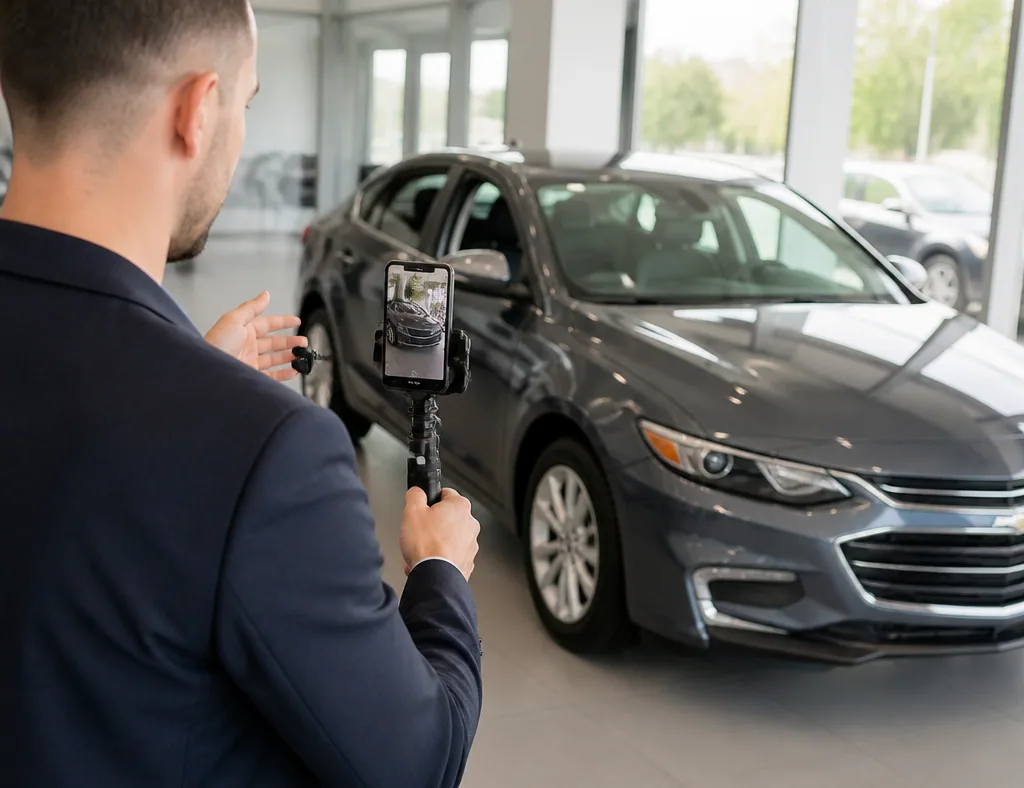
Use a short Reel when motion or a demonstration helps the viewer understand. Use a carousel when several still images or steps need to be compared. Use a straightforward Page post when the most important information is a clear date, location, or service update. A direct message can help continue a conversation, but the account needs a person responsible for replying.
- Walkaround: show the vehicle and link to the current listing.
- Carousel: organize a comparison or checklist so each frame advances one idea.
- Story: share timely, low-friction updates and invite a direct response.
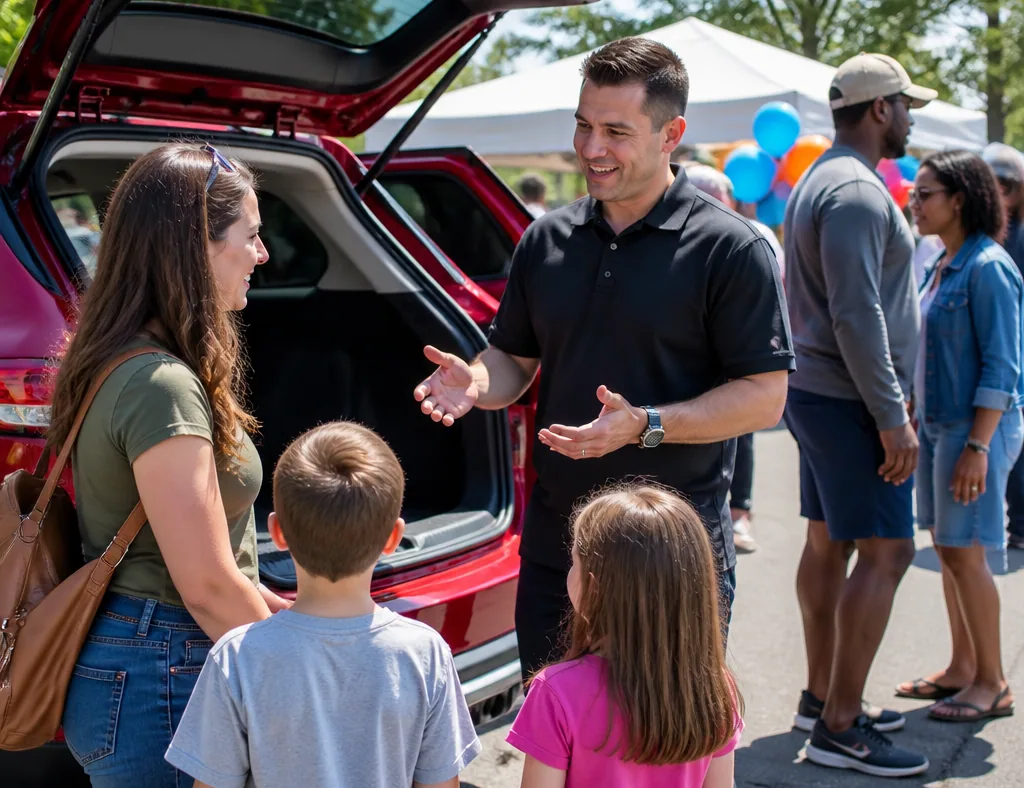
- Page update: make community and dealership details easy to scan and share.
Keep paid and organic reporting separate
An organic post and a paid campaign answer different questions. Label them separately in the calendar and the monthly report. If the dealership puts budget behind a post, record the objective, audience, destination, and spend so paid reach does not get mistaken for organic growth.
Review comments and direct messages as customer-service work, not just engagement totals. Agree on response ownership, escalation for price or availability questions, and how a conversation becomes a sales appointment. Never promise response times the dealership cannot reliably meet.